PRESIDENT OUTLINES DETAILS OF THE FESTIVAL FOR THE PROMOTION OF TRANSPARENCY AND THE ELIMINATION OF CONFLICT-OF-INTEREST SITUATIONS.
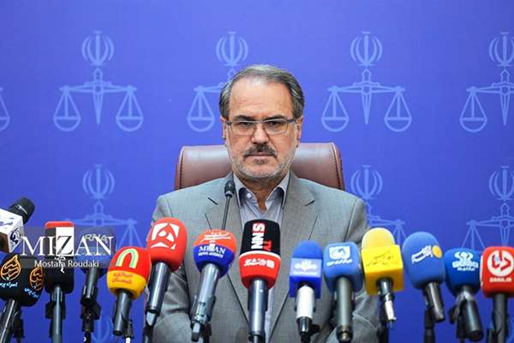
258 indicators defined to evaluate 254 executive bodies / Public disclosure of agencies’ performance in transparency and conflict-of-interest prevention / Recognition of top-performing institution Tehran Dr. Khodaeiyan, the President of the General Inspection Organization of the Islamic Republic of Iran, has elaborated on the objectives and details of the upcoming Festival for the Promotion of Transparency and the Elimination of Conflict-of-Interest Situations, organized in line with the Judiciary’s Transformation and Excellence Document.
He announced that the performance of executive bodies in enhancing transparency and addressing conflicts of interest will be publicly released, and outstanding organizations will be recognized for their efforts.
According to the Public Relations Department of the General Inspection Organization, the festival will take place on December 8 (18 Azar), coinciding with International Anti-Corruption Day. Dr. Khodaeiyan explained that the initiative has been designed and implemented based on Measure No. 113 of the Judiciary’s Transformation Document.
Implementing the Judiciary’s Transparency Mandate
He stated that under this directive, the General Inspection Organization is tasked with promoting transparency, resolving conflicts of interest, and holding an annual festival to evaluate and honor leading executive bodies.
Comprehensive Evaluation through 258 Indicators
Dr. Khodaeiyan explained that 258 evaluation indicators were derived from existing laws and regulations related to transparency and conflict-of-interest prevention. Officials from the relevant institutions received training, and these indicators were formally communicated to all agencies. In the first phase, organizations conducted self-assessments, followed by on-site verification by the Organization’s inspectors. Finally, agencies will be ranked electronically based on the scores they achieve through the national evaluation system.
Transparency: A Prerequisite for Combating Corruption
Addressing the festival’s philosophy from the Judiciary’s perspective, Dr. Khodaeiyan stressed that: “If we aim to eradicate corruption—or at least reduce it—and ensure that officials adhere to the law and fulfill their duties, transparency is one of the essential prerequisites.”
Public Access to Information
He further defined transparency as ensuring that citizens have access to information that belongs to them. “Government bodies act on behalf of the people, and therefore the information they hold belongs to the public. It is the people’s right to be informed, and transparency allows them to remain aware of public affairs,” he said.
Removing Conflicts of Interest to Prevent Corruption
The President of the General Inspection Organization noted that a conflict of interest arises when personal interests intersect with official responsibilities. “In such cases, some may prioritize personal or factional interests over organizational goals. Each institution must identify, declare, and take effective measures to eliminate its conflict-of-interest situations,” he explained. He emphasized that this initiative by the Judiciary will provide the foundation for reducing conflicts of interest within institutions and represents a significant step toward corruption prevention.
Legal and Religious Foundations of Transparency
Dr. Khodaeiyan highlighted that transparency and the elimination of conflicts of interest are rooted in higher-level policy frameworks and Islamic principles. He quoted the Supreme Leader of the Islamic Revolution, who has emphasized that transparency originates from Islamic teachings, referencing the words of Imam Ali (PBUH): “The right that people have over me is that I do not conceal any secret from them, nor hide any word from them.” He added that under the Transparency Law, the three branches of government are obligated to publish all administrative processes, relevant laws and regulations, personnel details, and concluded contracts on their public systems, ensuring full accessibility for citizens.
Examples of Transparency in Practice
Dr. Khodaeiyan cited several examples:
- The public nature of court hearings in the Judiciary,
- The publication of tenders and auctions by government agencies,
- And the requirement for public disclosure of administrative decisions.
“When officials know that their actions are visible to the public, they perform their duties with greater care, and opportunities for abuse are reduced,” he added. He further referred to other key laws—such as the Law on the Publication and Free Access to Information, the Law on Promoting Administrative Integrity and Combating Corruption, and provisions within the Sixth and Seventh Development Plans—which all underscore the central role of transparency in governance.
Transparency in Electoral Financing
Referring to the Law on Transparency of Electoral Expenditures of Members of the Islamic Consultative Assembly, Dr. Khodaeiyan noted that all financial contributions to parliamentary candidates must be transparent, identified, and lawful. “When transparency is enforced in campaign financing, unlawful funds can no longer influence elections. Transparency and conflict-of-interest prevention depend on the faithful implementation of such legal obligations,” he said.
Judiciary’s Commitment to Enforcing Transparency Laws
Dr. Khodaeiyan stressed that the Head of the Judiciary has repeatedly instructed the General Inspection Organization to ensure full enforcement of transparency-related laws, starting with the Judiciary itself.
Agencies that fail to meet their obligations in this regard, he said, will be publicly identified.
Public Announcement of Agency Performance
He added that during the upcoming festival, attended by senior national officials, both top-performing organizations and those that have not taken adequate measures will be introduced to the public.
Evaluation of 254 Executive Bodies
Concluding his remarks, Dr. Khodaeiyan said that 254 executive bodies have been reviewed for this year’s festival. So far, only 11 institutions have yet to upload their data, but they have pledged to do so within the next two days. After data verification, results will be finalized, and on December 8 (18 Azar)—International Anti-Corruption Day—the performance rankings of all agencies will be publicly announced.